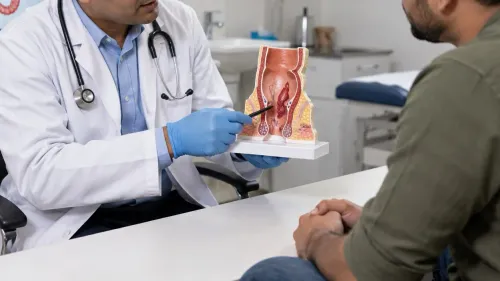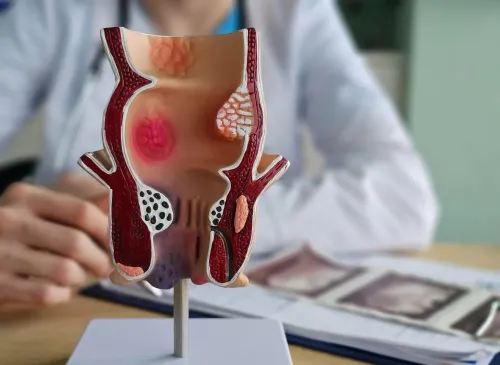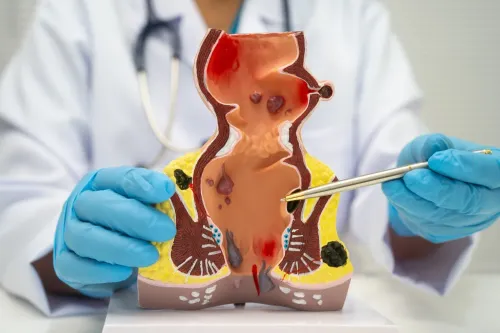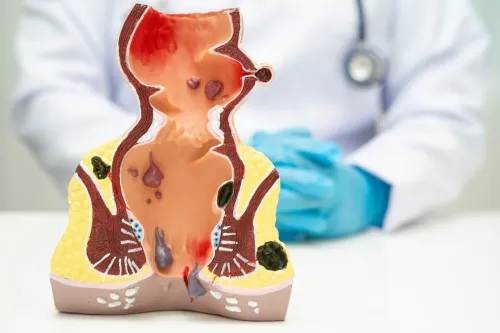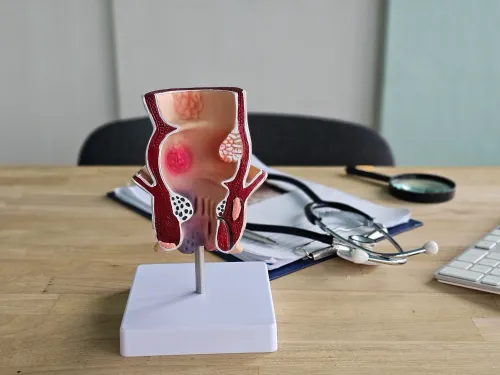
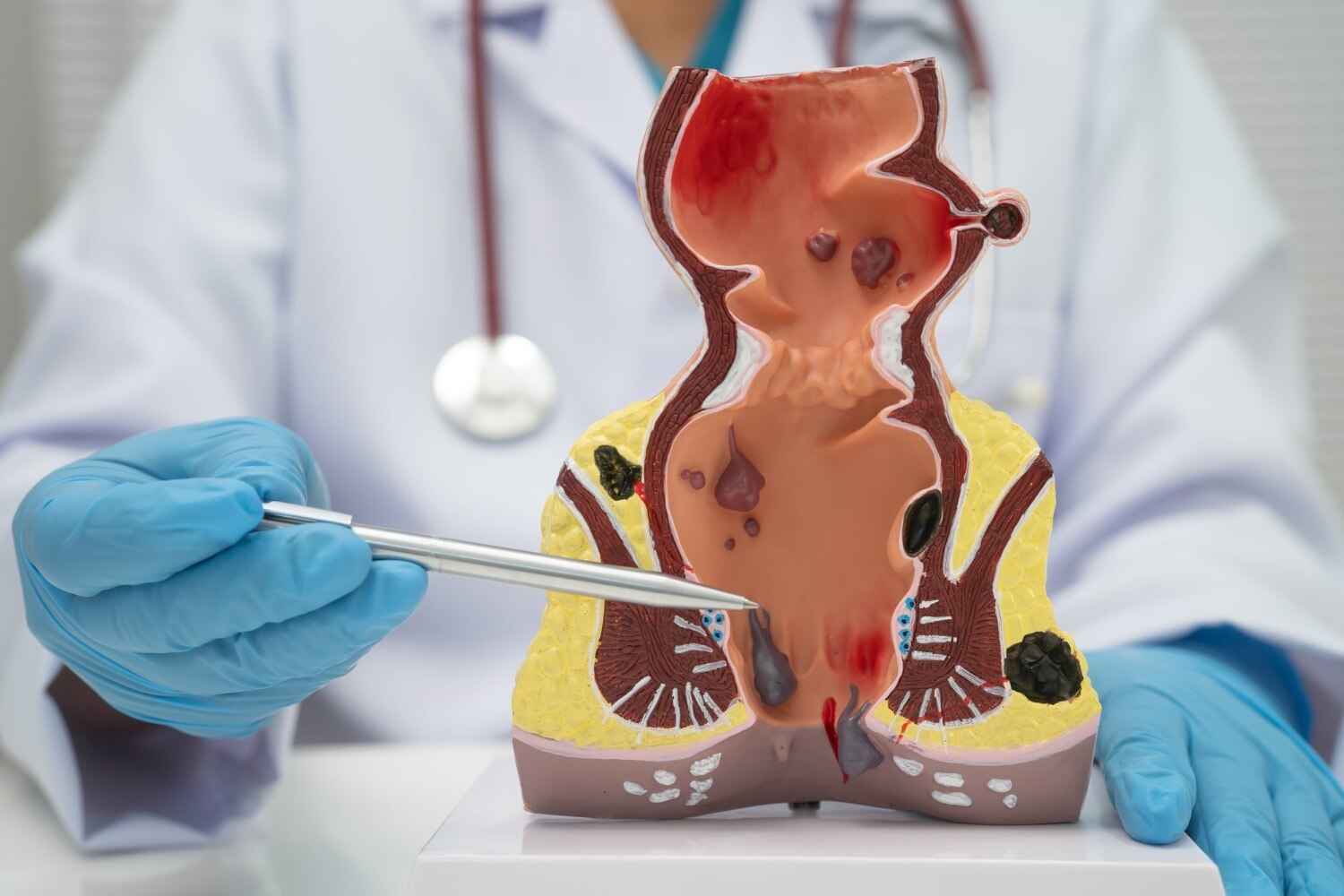
Rectal bleeding, pain or a lump does not prove that you have piles, and a hospital that recommends one procedure to every patient has skipped an essential part of safe care. Use the hospital’s diagnostic process, surgeon’s credentials, treatment explanation, facility standards, cost estimate and follow-up plan to decide whether it is equipped for your case.
Key takeaways
- Ask how the examination rules out fissure, fistula, cancer and other causes of bleeding.
- Choose treatment based on confirmed haemorrhoid grade, not a hospital’s preferred procedure.
- Verify anaesthesia support, emergency care, complication management and follow-up arrangements.
- Request itemised costs, written risks, recovery instructions and clear review credentials.
Can the hospital confirm piles and rule out more serious conditions?
Before treatment, the hospital should confirm piles through an examination and explain what makes other diagnoses less likely—not simply accept bleeding as haemorrhoids.
Verify that the named clinician is a qualified general surgeon; a colorectal surgeon or proctology specialist is preferable for recurrent or unclear symptoms, fistula, abscess, suspected inflammatory bowel disease, or existing continence problems. Complete a medical registration check through the National Medical Commission or relevant state medical council, and ask who will personally examine you.
1. Ask whether the consultation includes a symptom history, inspection of the anus, digital rectal examination and anoscopy when appropriate. These steps help distinguish piles from a chronic anal fissure, fistula, abscess, rectal prolapse and other causes of bleeding or pain.
2. Ask what happens if the findings do not fit piles. The hospital should explain when it will arrange further evaluation, such as imaging, colonoscopy or referral, to investigate inflammatory bowel disease or colorectal cancer. A diagnosis based only on a photograph or a quick visual check is inadequate.
3. Seek urgent hospital care for heavy or persistent bleeding, dizziness, fever, severe pain, a tender swelling, black stools, or inability to pass stool or urine. These signs can indicate significant bleeding, infection, obstruction or another condition requiring prompt treatment.
A clinician who recommends a procedure before documenting the diagnosis, examining you and discussing alternatives has skipped the safety step that matters most.
Does the proposed treatment match your haemorrhoid grade and diagnosis?
Match the treatment to the examination, not to a hospital’s favourite package. Grade I, II, III and IV haemorrhoids differ in prolapse and severity, so ask what the clinician found and why the proposed option fits that finding.
| Option | What it involves | When it fits |
|---|---|---|
| Conservative treatment | Fibre, fluids, less straining and symptom medicines | First for uncomplicated grade I–II internal haemorrhoids |
| Office procedures | Rubber-band ligation or sclerotherapy without major surgery | Rubber-band ligation commonly suits grade I–II and selected grade III internal haemorrhoids; sclerotherapy suits selected bleeding internal haemorrhoids |
| Laser treatment | An energy-based technique whose exact method varies | Only after the surgeon names the technique, suitable grade, expected benefit and recurrence data |
| Surgery | Excisional haemorrhoidectomy or stapled haemorrhoidopexy | Excision suits large external, combined internal/external or advanced grade III–IV disease; stapling does not remove external haemorrhoids |
Do not accept “laser piles surgery” as a complete explanation. Ask whether it treats prolapse, external components or only bleeding, and what happens if symptoms persist or return. Compare pain, recovery, bleeding, recurrence and total cost with rubber-band ligation and conventional surgery.
A recommendation also fails if the diagnosis is wrong. Fistula, fissure, abscess and rectal prolapse need different treatment; a fistula usually requires a procedure such as fistulotomy or seton placement, not piles treatment. Ask the surgeon to explain the examination findings before consenting.
Can the facility manage anaesthesia, complications and urgent problems?
A safe facility needs more than a surgeon and a procedure room. Confirm that the operating theatre has oxygen, suction, pulse oximetry, blood-pressure monitoring, a defibrillator and equipment for airway support. Ask who provides anaesthesia support: a qualified anaesthesia professional should assess you, monitor you during treatment and remain available for recovery problems.
Check these arrangements before booking:
- Does the team use a written surgical safety checklist covering your identity, procedure, allergies, consent and specimen labelling?
- Are instruments processed through documented sterilisation procedures, with sealed packs and traceable indicators?
- Can the facility control bleeding, treat urinary retention, give intravenous fluids and manage infection or uncontrolled pain?
- If tissue is removed, does the hospital send it to a pathology laboratory and explain how you receive the report?
- Who answers after hours, and where should you go if bleeding, fever, severe pain, dizziness or inability to pass urine develops?
| Check | Day-care treatment | Inpatient treatment |
|---|---|---|
| Recovery | Discharge after pain and bleeding are controlled and you pass urine | Observation continues if these remain difficult |
| Staffing | Anaesthesia and recovery staff must be present until discharge | Ward nurses and on-call surgical cover must be available overnight |
| Emergency plan | Confirm transport, a responsible adult and a named after-hours contact | Confirm escalation to an operating theatre, imaging or higher-level care |
A painful swelling with fever needs urgent assessment and drainage, not routine piles treatment or antibiotics alone. A facility unable to provide that pathway is the wrong choice.
What should the hospital disclose about risks, cost and recovery?
Before signing, receive informed consent and a written estimate that name the diagnosis, proposed procedure, anaesthesia, alternatives, expected benefit and the option of no procedure. The consent must also explain what happens if tissue is removed, including whether it will be sent for pathology.
Ask for these details before admission:
- Common and serious risks, including bleeding, infection, urinary retention, uncontrolled pain, recurrence and anaesthesia complications.
- Extra risks linked to the proposed treatment, such as delayed bleeding after rubber-band ligation or anal stenosis and continence symptoms after excisional haemorrhoidectomy.
- Instructions for medicines, especially aspirin, clopidogrel, warfarin or other anticoagulants; do not stop them without medical advice.
- A named contact and telephone number for urgent problems, including heavy bleeding, fever, worsening pain, inability to pass urine or faintness.
| Document | What it must state | Why it matters |
|---|---|---|
| Procedure estimate | Surgeon, anaesthesia, room, medicines, tests, pathology, taxes and follow-up charges | Prevents an apparently low quote from expanding |
| Discharge criteria | Controlled pain and bleeding, ability to pass urine, written instructions and suitable transport or an accompanying adult when required | Confirms day-care discharge is safe |
| Follow-up plan | Appointment date or time window, wound and bowel-care advice, expected symptoms and after-hours escalation route | Ensures complications have an accountable pathway |
| Emergency policy | Who assesses bleeding, infection, urinary retention or uncontrolled pain after discharge | A hospital without after-hours cover leaves you unprotected |
How do you assess reviews and make a safe final shortlist?
Choose a shortlist from verifiable evidence, not labels such as “best” or “number one”. In a hospital comparison, check the surgeon’s qualifications, exact piles procedures performed, experience with complications, and willingness to explain recurrence and alternatives.
| Check | What to verify | Warning sign |
|---|---|---|
| Surgeon experience | Ask which technique is proposed, how often the surgeon performs it, and who manages complications | Only marketing claims or no named operating surgeon |
| Patient reviews | Read recent patient reviews for consent, pain control, billing, follow-up and response to problems | Repeated complaints about unanswered calls or surprise charges |
| Facility support | Confirm anaesthesia cover, emergency assessment, pathology arrangements and after-hours care | A clinic cannot treat bleeding, urinary retention, infection or severe pain |
| Practical access | Check travel time, parking, transport after day surgery and a responsible adult’s availability | You cannot return quickly if symptoms worsen |
For any shortlisted facility, get these details in writing:
- The surgeon’s direct or hospital post-operative contact number, including after-hours coverage.
- The discharge criteria: controlled pain and bleeding, ability to pass urine, written instructions and required escort or transport.
- The insurer’s approval process, non-covered items and cashless insurance exclusions; cashless approval does not guarantee every charge is covered.
If you are comparing Dr Gowri Singh-Best Laser Piles Surgeon in Pune with another provider, ask both the same questions and compare documented answers rather than procedure labels. A confident hospital explains what happens if the initial treatment fails.
Related services
Piles Doctor in Pune Piles Doctor in Viman Nagar, Kharadi, Vishrantwadi, Pune Dr Gowri Singh is the Best Piles Doctor, Laser Piles Surgeon, Laser Piles Doctor, Lady Piles Doctor in Viman Nagar, Kalyani Nagar, Koregaon Park,... View service → |
Laser Piles Surgeon in Pune Laser Piles Surgeon in Viman Nagar, Kharadi, Vishrantwadi, Pune Dr Gowri Singh is the Best Laser Piles Surgeon in Pune, specializing as a Piles Surgeon, Laser Piles Doctor, and Lady Piles Surgeon in Viman Nagar,... View service → |
Frequently asked questions
How should a hospital confirm piles before treatment?
It should examine you and explain why other causes of bleeding, including fissure, fistula and bowel disease, are less likely.
Why must treatment match the haemorrhoid grade?
Grade I, II, III and IV haemorrhoids differ in prolapse and treatment needs, so the diagnosis should guide the procedure.
What safety facilities should a piles hospital have?
Check for qualified anaesthesia support, monitoring, emergency equipment, complication management and a reachable follow-up team.
What should the hospital disclose before treatment?
Ask for the procedure, risks, anaesthesia plan, itemised charges, expected recovery, warning signs and follow-up schedule in writing.
How can you assess hospital reviews safely?
Look for detailed, recent reviews that describe diagnosis, communication, recovery and follow-up rather than relying on star ratings alone.