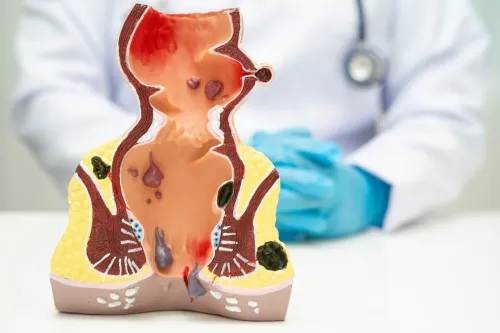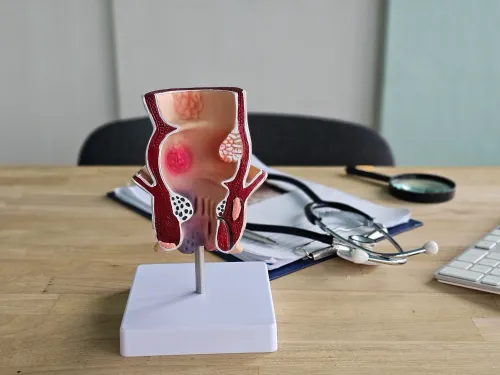

Rectal bleeding, pain or a lump does not prove that you have piles, and a polished “laser” package does not prove that a hospital is suitable. By comparing diagnostic ability, surgical expertise, safety systems, treatment choices, follow-up and the full cost, you can shortlist a facility that fits your condition rather than choosing by advertising alone.
Key takeaways
- Confirm rectal bleeding with examination, digital rectal examination and anoscopy when appropriate.
- Check the surgical team, anaesthesia support, infection control and emergency systems.
- Choose treatment based on piles severity, symptoms, examination findings and medical history.
- Request a written breakdown of recovery, follow-up visits and every expected charge.
Can the Hospital Confirm That Piles Are Really the Cause?
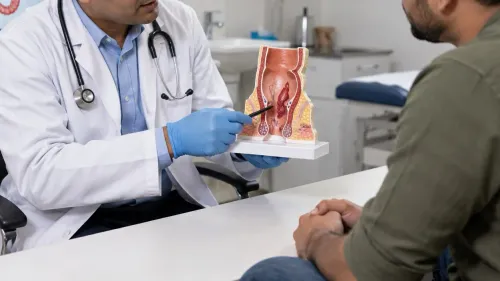
Rectal bleeding deserves a proper assessment before anyone gives you a piles diagnosis. The clinician should ask about the blood’s colour and amount, pain, bowel habit, weight loss, abdominal symptoms, medicines and family history, then inspect the anus, perform a digital rectal examination and use anoscopy when appropriate.
Before booking, ask whether the hospital will:
- Explain how it has ruled out colorectal cancer, inflammatory bowel disease and diverticular bleeding when piles are not an obvious source.
- Recommend colonoscopy when there is iron-deficiency anaemia, altered bowel habit, abdominal pain, relevant family history or no clear anorectal cause.
- Reassess an unusual, multiple or non-healing anal fissure instead of repeatedly offering the same procedure; Crohn’s disease, infection and malignancy need consideration.
- Investigate anal fistula symptoms, including recurrent discharge, an external opening, swelling or repeated abscesses, and assess how much anal sphincter the tract crosses.
- Ask about pre-existing leakage, prior anal surgery, obstetric sphincter injury, inflammatory bowel disease and age before recommending fistula or fissure surgery.
A hospital that promises laser treatment without naming the diagnosis, examination findings and alternatives is giving you a sales pitch, not an investigation.
Ask for the proposed procedure in plain terms and why it fits your findings; a fistulotomy suits mainly simple, low fistulas, while a seton, LIFT or advancement flap may protect continence when more sphincter is involved.
Does the Facility Have the Right Surgical Team and Safety Systems?
Before booking, verify the named surgeon’s piles surgeon credentials, experience with the exact procedure proposed, and registration with the relevant medical council. A laparoscopic hospital is not automatically skilled in anorectal surgery. Ask who will operate, who provides anaesthesia, and whether that clinician is present throughout the procedure and recovery.
Check these practical differences:
| Check | Acceptable evidence | Warning sign |
|---|---|---|
| Surgeon | Explains the procedure, alternatives, recurrence and retreatment | Staff promote “laser” without naming the operation or its limits |
| Anaesthesia support | Pre-anaesthetic assessment, qualified anaesthesia provider and monitored recovery | Sedation is offered without discussing medical risks or rescue arrangements |
| Operating-room standards | Sterile instrument processing, surgical safety checklist, patient monitoring and documented consent | The clinic cannot explain sterilisation, monitoring or emergency transfer |
| Nursing coverage | Trained nurses before, during and after surgery, with written discharge instructions | You are left without a named contact after discharge |
Ask these questions before consenting:
- Does the facility perform urgent incision and drainage if an abscess develops, or does it only provide elective consultations? Antibiotics alone do not replace drainage for an uncomplicated anorectal abscess.
- What is the emergency plan for bleeding, urinary retention, anaesthetic reaction or severe pain after discharge?
- Will you receive a postoperative review date and a phone number answered by the surgical team?
- Before fistula or fissure surgery, will the surgeon document continence, previous anal operations, obstetric sphincter injury and existing leakage? These findings can change the operation.
Does the Recommended Treatment Match Your Piles?
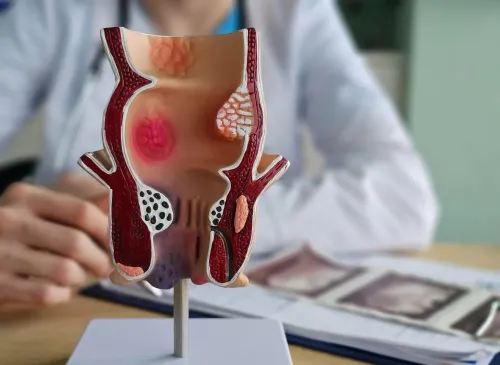
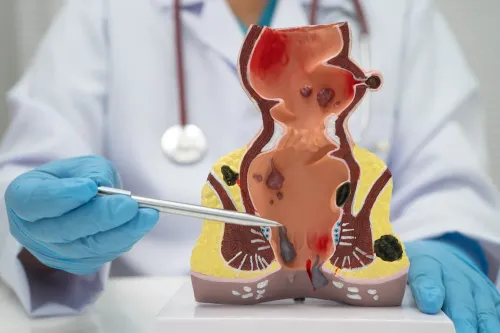
Match the procedure to your haemorrhoid grade and anatomy, not to a hospital’s “painless” or “laser” label. Ask the surgeon to document whether you have internal piles, external piles or mixed disease, and whether prolapse, bleeding or thrombosis changes the recommendation.
| Option | Usually suits | Trade-off to discuss |
|---|---|---|
| Rubber-band ligation | Grade I–II internal piles; selected grade III | Office treatment, but repeat sessions and recurrence are possible |
| Sclerotherapy or infrared coagulation | Grade I–II internal piles | Limited role when prolapse or an external component is substantial |
| Laser piles treatment | Selected internal disease after examination | Easier early recovery does not eliminate recurrence or retreatment |
| Excisional haemorrhoidectomy | Grade III–IV, mixed disease or substantial external piles | More postoperative pain, but usually more definitive treatment |
| Stapled haemorrhoidopexy | Selected prolapsing internal piles | Does not remove external piles and has higher long-term recurrence than excisional surgery in many comparisons |
Before consenting, ask:
- What is my haemorrhoid grade, and how was it determined?
- Which named procedure are you proposing, and why does it fit my internal, external or mixed disease?
- What alternatives were ruled out, including rubber-band ligation, medication or excisional surgery?
- What are your recurrence and retreatment figures for this procedure?
- What happens if the laser procedure fails or prolapse returns?
A laparoscopic hospital label does not prove expertise in anorectal surgery. Choose a team that explains the trade-off between easier recovery and durable control in terms you can compare.
What Will Recovery, Follow-Up and the Total Bill Involve?
Before consent, require a written plan covering piles surgery recovery, possible complications, emergency access and the full piles treatment cost—not just the procedure fee.
1. Ask when you can walk, work, drive, bathe and resume normal bowel movements. The hospital should explain pain control, stool-softening medicines, wound care and diet, plus warning signs such as heavy bleeding, fever, worsening pain, inability to urinate or persistent vomiting.
2. Confirm the postoperative follow-up schedule and who reviews you if symptoms persist. Ask how the hospital handles urinary retention, delayed bleeding, infection, recurrence and retreatment; a less-invasive procedure may recover faster but require another treatment, while excisional surgery can be more definitive for advanced or mixed disease.
3. Get an itemised estimate before booking. It should separate the surgeon’s fee, consultation, blood tests, medicines, anaesthesia, operating-room charges, room or day-care fees, pathology, follow-up visits and treatment of complications. Ask what happens if you need an unexpected overnight stay or repeat procedure.
4. Save a named emergency contact and ask whether it operates after hours. A same-day discharge and low quote are not safeguards if you cannot reach the surgical team or return promptly for examination, bleeding control or urgent treatment.
Do not consent until the written estimate matches the proposed operation and the hospital explains which services are included, excluded and refundable if the plan changes.
How Does the Hospital Handle Fissures, Fistulas and Urgent Problems?
A hospital earns trust by revisiting an uncertain diagnosis instead of repeatedly offering the same procedure. An unusual, multiple or non-healing fissure needs assessment for inflammatory bowel disease, infection or cancer, followed by a clear explanation of the next test or referral.
Before booking, ask:
- Does the surgeon examine continence and record previous anal surgery, childbirth-related sphincter injury, inflammatory bowel disease or existing leakage before recommending anal fissure treatment?
- For a fistula-in-ano, will the team map the tract with an MRI pelvis or endoanal ultrasound when it is complex, recurrent or branching?
- Which named operation is planned, and how much sphincter muscle does it involve? Fistulotomy suits many simple, low fistulas; a seton, LIFT or advancement flap protects the sphincter when more muscle is crossed.
- Can the facility provide urgent incision and drainage, anaesthesia and postoperative review for a perianal abscess? Antibiotics alone do not replace drainage in a healthy patient.
A laparoscopic label does not prove anorectal expertise. Look for a surgeon who explains why a sphincter-preserving approach is safer for you and what happens if the first operation fails. A consultation with Dr Gowri Singh-Best Laser Piles Surgeon in Pune is worth comparing on those specific points, not on a laser label alone.
Frequently asked questions
How can a hospital confirm that piles are causing rectal bleeding?
The clinician should ask about bleeding, pain, bowel habits, weight loss, abdominal symptoms, medicines and family history. Assessment can include inspection, a digital rectal examination and anoscopy when appropriate.
What safety systems should you check before piles surgery?
Ask about the operating surgeon, anaesthesia team, preoperative assessment, infection-control procedures, monitoring during surgery and access to urgent care if complications occur.
How should treatment be matched to your piles?
The recommendation should follow your examination findings, piles severity, symptoms, medical history and previous treatment. Ask why the proposed procedure suits your condition and what alternatives involve.
What should a piles treatment bill and recovery plan include?
Request written details of the procedure, medicines, tests, hospital stay, follow-up visits, wound or bowel-care instructions and charges for possible additional treatment.
Can the same hospital treat fissures, fistulas and urgent anal problems?
Ask whether the facility diagnoses and treats anal fissures and fistulas, and how it handles severe pain, heavy bleeding, fever, swelling or other symptoms requiring urgent assessment.